
Becoming a Therapy Horse
Have you ever wondered what goes into the selection and training of a therapy horse?! Well, here is your chance to learn all about it and follow the journey of two new horses as they embark on a journey towards becoming a therapy horse.
Spirited Connections Counselling is thrilled to be welcoming two new horses into the therapy family! Paislee and Extra, both six years old, were adopted in September 2023 and December 2025. Both of these youngsters will be boarded until ready to enter the therapeutic realm, participating in daily human-horse interactions and training activities before they're ready to join the therapy herd at Spirited Connections.
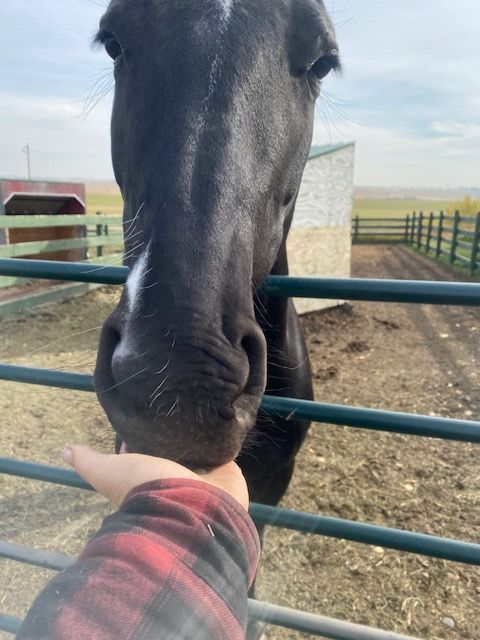
Hello Paislee!
Paislee is a six year old Warmblood. A Warmblood is a crossbreed; the athleticism and energy of a hot-blooded breed is combined with the strength and temperament of a cold-blooded breed. These horses are sought after for their strength, agility, versatility, and trainable temperament. Paislee is making her therapeutic debut in 2026!
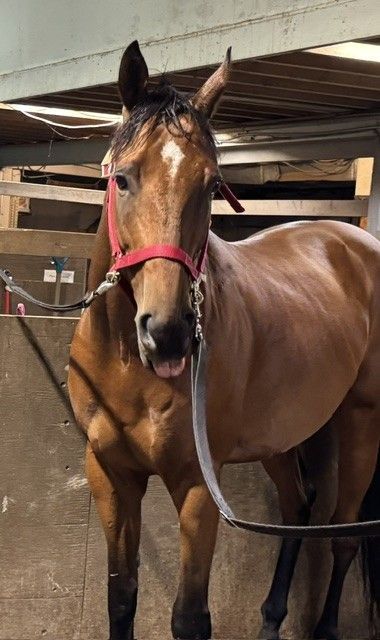
Hello Extra!
Extra is a six year old Thoroughbred. A Thoroughbred is a breed of horse known for its speed and agility, making them especially popular in horse-racing. Extra came to us through a Thoroughbred After Care Program where they ensure that horses have quality care and a second job after racing. Extra raced in both Canada and the United States, and even won a few!
What makes a good therapy horse?
While we believe that every horse can have therapeutic value, not every horse is suitable to be a therapy horse. Moreover, not every horse wants to be a therapy horse. Being a therapy horse is a big job. The horses are asked to spontaneously and authentically engage with a variety of people, with a host of emotions, behavioral challenges, fears, concerns, capabilities and aptitudes. Some of these people are children, some are adolescents, and some are adults. Some come individually, some come as a couple, others come as a family or even as part of a group.
Qualities we look for in our therapy horses:
- A genuine desire to engage with people
- An ability to express themselves
- An ability to interact spontaneously with the herd and with humans
- Clear communication within the herd
- Clear communication with people - even if subtle
- Healthy, sound, and pain-free
- Respect for personal space - theirs and ours
- Safe with people and other horses
- The ability to give consent, or revoke it as needed
- Willingness to be a therapy horse
Qualities we don't look for in our therapy horses:
- Professional training
- Unlimited patience
- Horses that can be ridden
- Horses which are explosive, reactive or unsafe to self and others
- Stallions - they just require more
What training a therapy horse involves...!
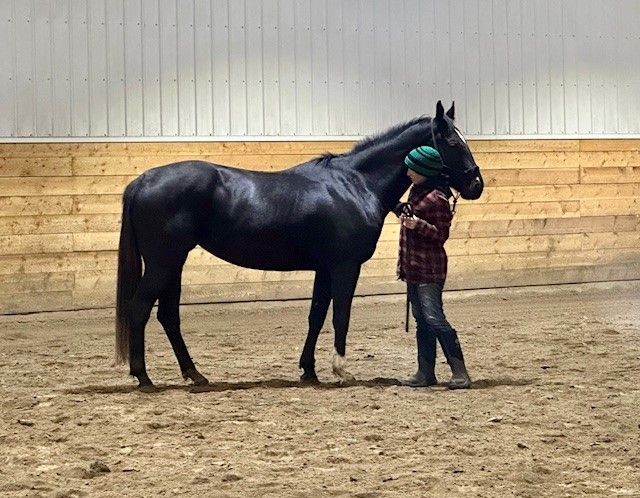
Rebecca will be hard at work teaching Paislee and Extra how to be therapy horses. This starts with lots of groundwork where the horses learn manners, how to respect boundaries, and how to give and receive feedback in a human-horse relationship. Building a positive relationship with your horse is a rewarding journey that requires patience, trust, and mutual understanding. Central to this connection is consistent and respectful communication, where both the rider and the horse learn to interpret each other's cues and signals. Spending quality time together, whether during grooming sessions, riding exercises, or simply enjoying quiet moments, fosters a sense of companionship and reinforces the bond. Positive reinforcement plays a crucial role, with praise, treats, and gentle gestures serving as expressions of appreciation for desired behaviors. Attentiveness to the horse's needs and preferences, such as understanding their body language and responding to their cues, builds a foundation of trust. Establishing routines and providing a secure and comfortable environment further solidify the positive rapport. Through shared experiences and mutual respect, a positive relationship with a horse becomes a partnership built on trust, communication, and the joy of companionship.
p :)
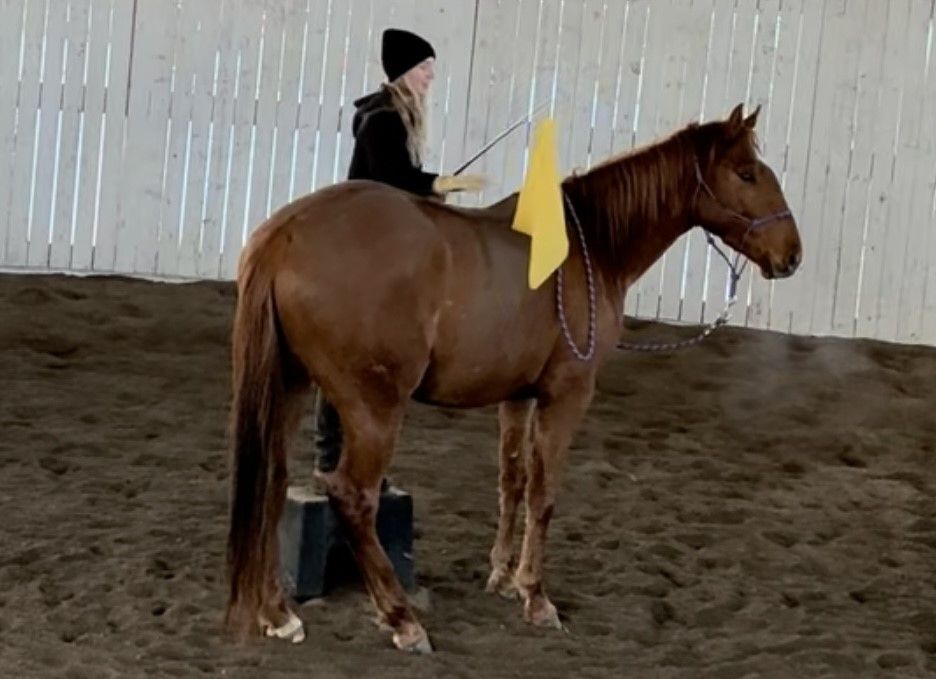
Learning for the horses also includes confidence building and desensitization. As horses are prey animals, many things in their environment can be scary - usually things that people wouldn't even think of. For example, hoses, velcro, plastic bags, anything that blows in the wind, anything that casts a shadow, farm equiptment, farm animals. Our job is to safely expose the horses to a variety of sensory stimuli in a way that inspires confidence, and which does not evoke fear - all while maintaining a positive relationship between humans and horses.